
Last updated November 22, 2026
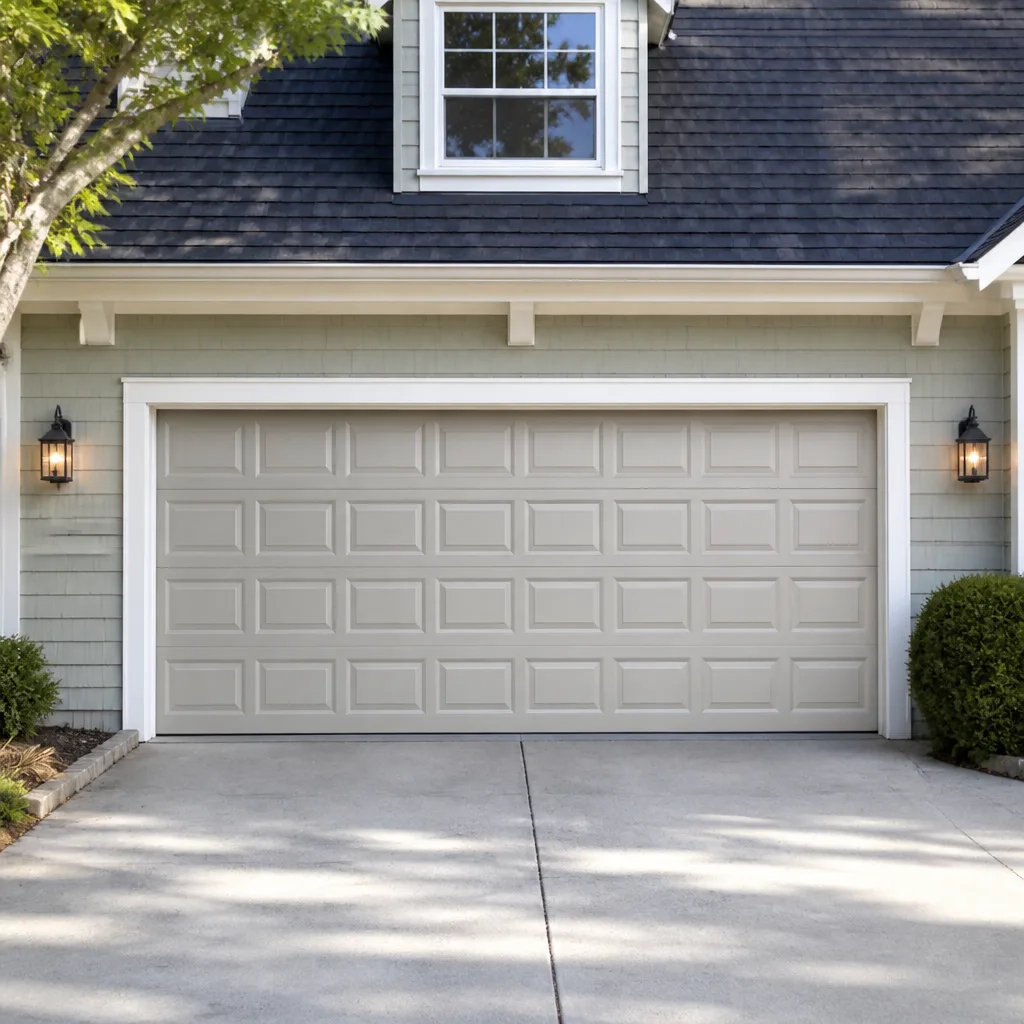 Raised-panel steel
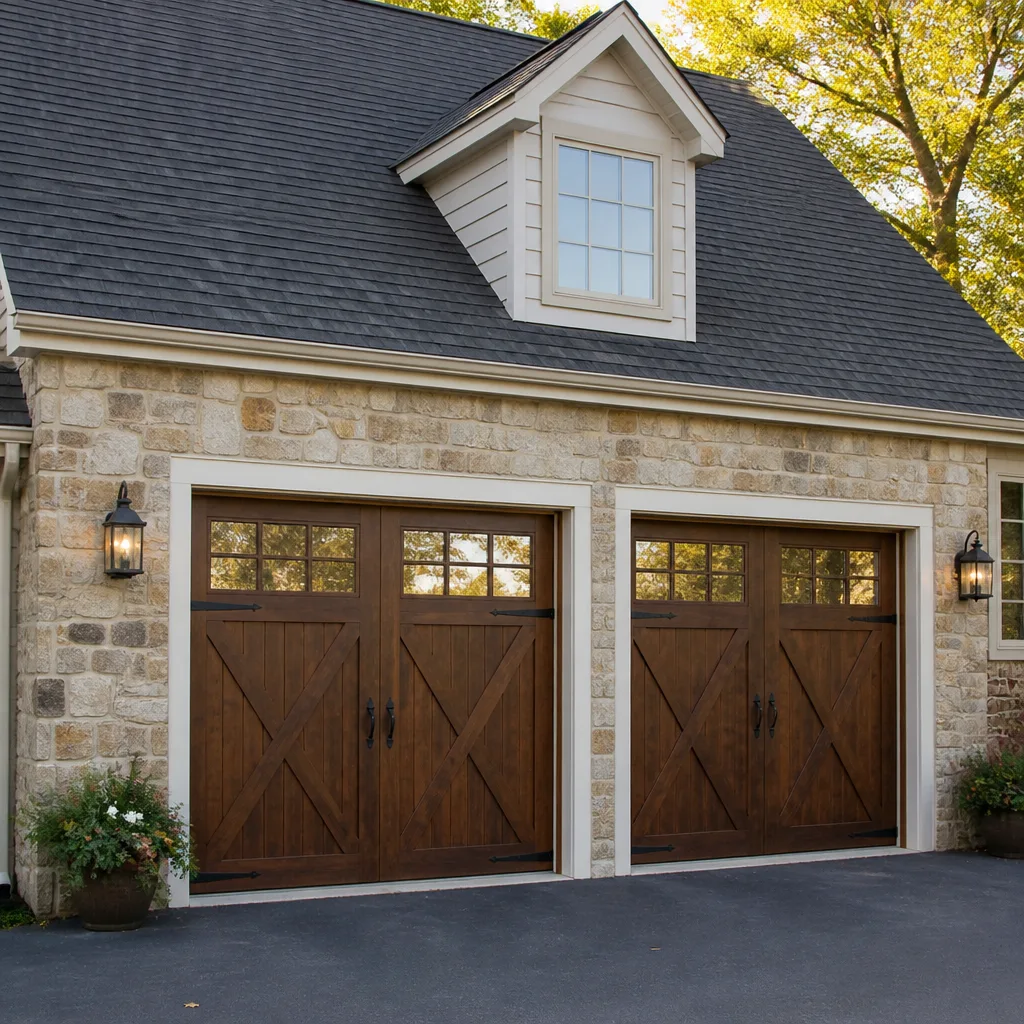 Carriage house
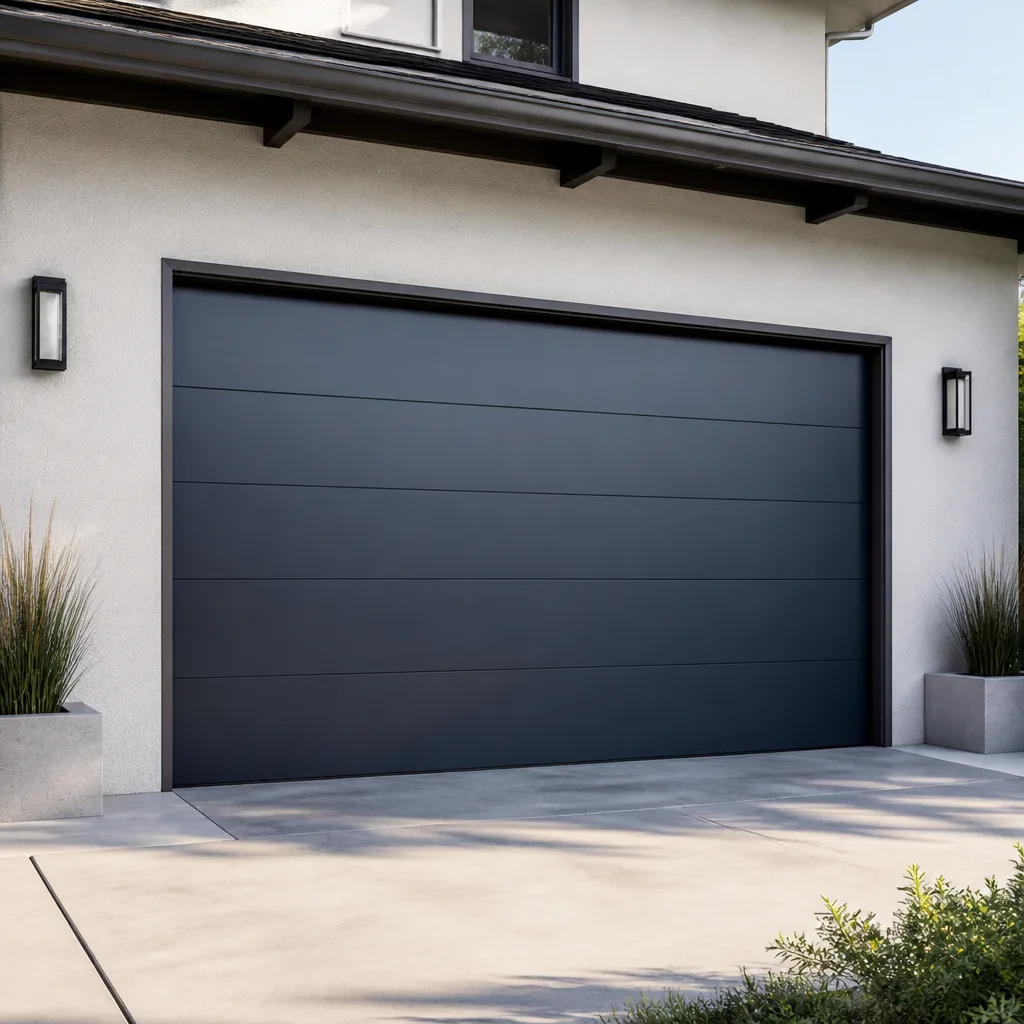 Modern flush
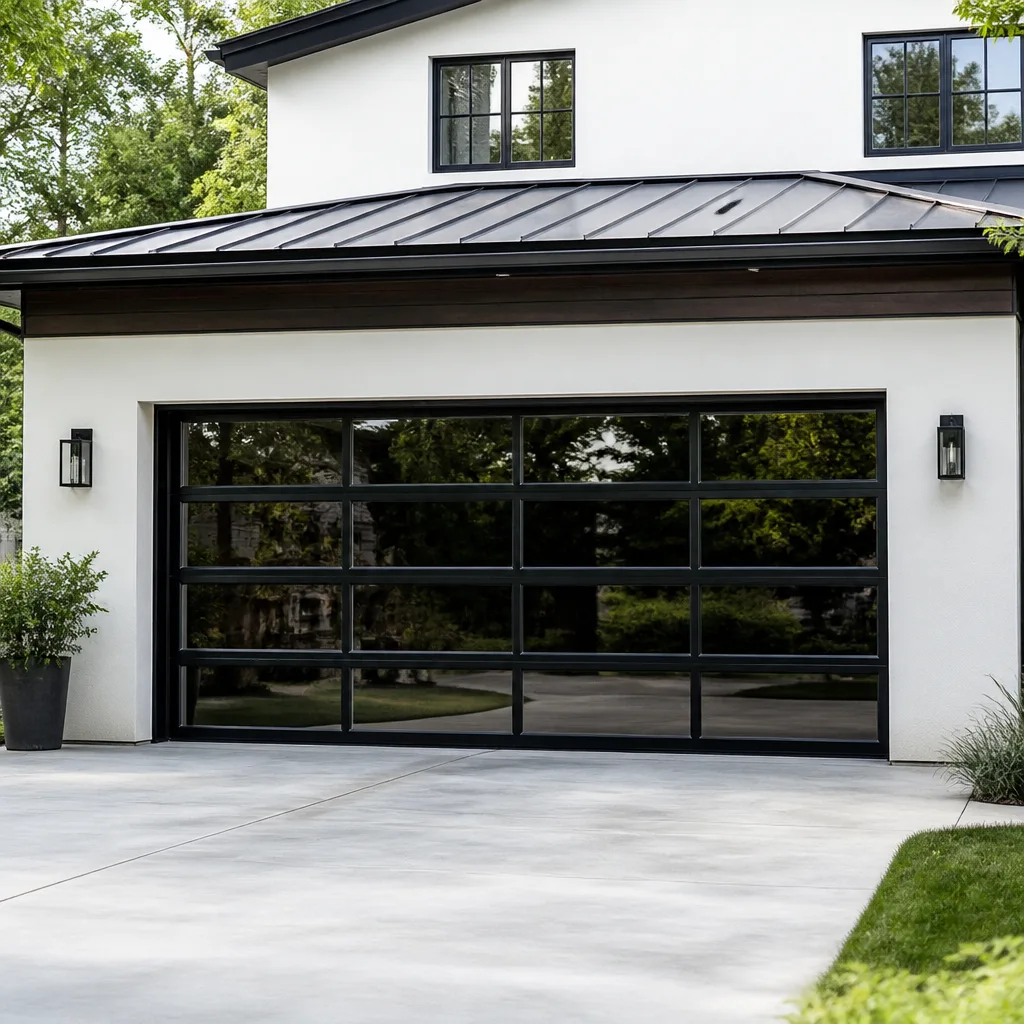 Full-view glass
 LiftMaster openers
 Chamberlain openers
Full 25-point door and opener safety check with every visit - springs, cables, rollers, tracks, and your LiftMaster or Chamberlain opener included
You get a price before we start. It does not change when the pro arrives.
Get your free estimateGarage Door Repair Troubleshooting in Newport News: Common Problems and How to Fix Them
Two doors can sound completely different and fail for the exact same reason. A door that shudders and groans on the way up and a door that won’t budge at all often trace back to one tired torsion spring. Homeowners in Newport News misread that symptom every day, call the wrong trade, or spend a weekend tightening bolts that were never the problem. Symptoms lie. Mechanisms don’t. This guide flips the usual format: we start with what you see and hear, then trace each complaint back to its mechanical source. You’ll learn which failures live in the opener and which live in the hardware, where the safe repair boundary sits, and exactly when to put the tools down. Everything here applies to the doors on Warwick Boulevard and the ones tucked into Denbigh, and it’s written by people who fix them for a living.
Quick Answer
Most garage door problems in Newport News fall into five mechanical categories: spring failure, cable and drum wear, track and roller misalignment, opener faults, and sensor or safety-reverse issues. Springs and cables are never a DIY job because the tension can injure you, while limit switches, photo-eye sensors, and light track adjustments are genuinely safe for a careful homeowner. If you’re unsure which category you’re in, stop, take a photo, and call a technician rather than guessing.
Styles & brands we work with
- Raised-panel steel
- Carriage house
- Modern flush
- Full-view glass
- LiftMaster openers
- Chamberlain openers
Table of Contents
- Symptom-to-Cause: Reading What Your Door Is Telling You
- Opener-Side vs. Hardware-Side Failures
- Spring Problems: The Safety Boundary
- Cables and Drums: What Humidity Does to Them
- Tracks, Rollers, and Off-Track Doors
- Opener and Remote Troubleshooting
- Sensors, Safety Reverse, and the Door That Won’t Close
- Your Decision Tree: Fix It or Call It
- Common Mistakes to Avoid
Symptom-to-Cause: Reading What Your Door Is Telling You
The fastest way to solve a garage door problem is to stop listening to the door and start reading the mechanism. Symptoms are just the surface of a mechanical story, and once you know which part the symptom points to, the rest of the diagnosis falls into place. A door that opens a foot and reverses, for instance, may seem like a sensor problem, but it can also mean a binding track or a failing spring fighting the opener motor. The symptom is identical. The cause is not.
Here’s how we map the most common complaints by the category they usually belong to:
- Door won’t move at all, light on the opener blinks: usually a safety-sensor or power issue, occasionally a stripped opener gear.
- Door opens partway and reverses: binding track, misaligned roller, or a spring that’s lost tension.
- Loud bang from the ceiling, door goes slack: broken torsion spring, full stop.
- Door sags on one side: stretched or snapped cable on that side, or a worn drum.
- Door runs but the motor hums without moving: opener-side failure, likely a stripped gear or a dead capacitor.
- Door closes then pops back open: photo-eye blocked, misaligned, or the safety reverse is set too sensitive.
- Grinding or squealing during travel: dry or worn rollers along the track.
Notice that these complaints sort themselves into the same five categories every time. Spring, cable, track, opener, sensor. When a homeowner in Newport News calls us and describes the symptom, we can usually narrow it to one or two of those before we even show up. That saves time on the visit and it keeps you from paying for the wrong repair. If you’re looking for broader help after you’ve read this, our Garage Door Repair Newport News Pros is the best place to start.
Opener-Side vs. Hardware-Side Failures
The single most common mistake in garage door troubleshooting is blaming the opener for a hardware problem, or blaming the hardware for an opener problem. The opener is an electrical motor mounted to the ceiling. Everything below it – springs, cables, drums, hinges, rollers, panels, tracks – is the door hardware. They fail for entirely different reasons, and the fix for one won’t touch the other.
A homeowner will tell us the motor “isn’t strong enough” to lift the door. Nine times out of ten the motor is fine. A worn spring or a binding roller is making the door too heavy for the opener to lift, and adding a bigger motor would just burn it out faster. The reverse happens too: a door that hums and clicks but won’t travel usually has a healthy spring and a dead opener gear.
Here’s how to spot the difference in ten seconds:
- Pull the emergency release cord to disconnect the door from the opener.
- Try lifting the door by hand to about waist height.
- If the door moves freely and stays where you put it, the hardware is healthy – the problem is in the opener.
- If the door is heavy, binds, or won’t hold itself up, the hardware needs service regardless of what the opener does.
That one test tells you which side of the system you’re dealing with, and it tells you where to put your next dollar. If the diagnosis points to the opener, our garage door opener repair covers LiftMaster, Chamberlain, Genie, and Craftsman systems, along with the smart-home openers that are increasingly common in Newport News households.
Spring Problems: The Safety Boundary
Spring repair is the one garage door job that regularly hurts people who try it themselves. A torsion spring holds the entire weight of the door, and when it’s wound it stores that force as tension. If it lets go while you’re near the winding bar, it can break bones or worse. We treat spring work as a core service, not a favor, and this section is written to help you recognize a spring problem, not to walk you through the repair.
You almost always know when a spring fails. There’s a sharp bang from the ceiling, the door gets suddenly heavy, and the opener may or may not be able to lift it a few inches before stalling. On a torsion setup – the horizontal spring above the door – you can usually see a visible gap in the spring coil. On an extension setup – springs running along the tracks on either side – you’ll see a stretched or dangling spring.
What to do:
- Stop using the door. Every cycle on a broken spring puts the full weight on the opener and cables.
- Don’t try to lift the door by hand for anything beyond the release test above.
- Don’t try to wind, unwind, or nudge the spring. There’s no safe “home fix” for a broken spring.
- Call a technician with the door in whatever position it’s currently in and leave it there.
One detail worth knowing: springs are typically sold in matched pairs on double-spring doors, because the two springs on the same door have cycled the same number of times. Replacing one and leaving the other means it usually fails soon after. That’s why we quote pair pricing separately from single-spring pricing. If you want to know what repair looks like before you call, our garage door repair service is where the springs, cables, and hardware work lives. For a rough sense of cost, a single torsion spring repair in the Newport News market typically runs somewhere in the range of a few hundred dollars, and a matched pair about double that. Your written estimate sets the final number.
Cables and Drums: What Humidity Does to Them
Newport News sits where the James River meets the Chesapeake Bay, and the humidity here is not the mild, dry kind. Summer air carries moisture that works its way into every gap on a garage door, including the tight spiral of wire on the lift cables and the drums they wind onto. That moisture doesn’t just fog the windows – it accelerates the small, invisible corrosion that eats at a cable one strand at a time. Springs corrode faster here too, which is why a spring that should last years can look older than it should by the time it breaks.
Cable failure follows a pattern worth recognizing. It rarely snaps without warning. Usually the warning looks like one of these:
- The door hangs slightly lower on one side when fully closed.
- A thin kink or fray appears on the cable running along the track or up to the drum.
- The drum has wire stacked unevenly or has developed slack on one side.
- You hear a light snap or pop at the end of a cycle, followed by a sag.
Cables are just as dangerous as springs and they’re attached to the same energy system. A cable under tension can whip if it fails, and pulling on a frayed one is how fingers get hurt. Don’t try to re-seat, tighten, or lubricate a worn cable. Get it looked at. In our experience working around Newport News, a cable problem almost always points to a spring that’s aging or a door that’s slightly out of balance – so the right fix is usually both parts together, not just the cable. That’s the kind of decision worth making with a technician on-site rather than over the phone.
Tracks, Rollers, and Off-Track Doors
Tracks and rollers are the friendliest part of the system to troubleshoot yourself, because nothing in this category is under heavy stored tension. If a door has jumped the track or is binding, a careful homeowner can usually see what’s wrong and, in limited cases, correct it. What you shouldn’t do is force anything.
Off-track doors happen for two reasons. Something hit the door – a bumper, a bike, a ladder leaned against the panel – or a roller wore down and popped out of the curve on its own. The first kind often needs new panels. The second kind sometimes needs only the roller re-seated.
Tracks bend too. A shallow dent at the curve near where the door transitions from vertical to horizontal travel is common, and it causes a grinding or hesitation right at that spot. If the dent is small and smooth, a technician can often straighten it without replacing the track. If it’s kinked with a sharp crease, the section has to come out.
What a homeowner can safely check:
- Look down the length of each track from floor level. The gap between door edge and track should be even all the way up.
- Wipe down each roller. A worn steel roller has play in it; a nylon roller that’s cracked needs replacement.
- Look for anything visibly blocking the track – a dangling kid’s toy, a garden hose fragment, a stray bolt.
- Listen for grinding that stops when you manually rock the door slightly – that points at a roller, not a track.
If the door is fully off-track or a panel has been pushed out of square, don’t try to force it back. Call us. Our garage door repair covers track realignment and panel work across the brands we service, and the outcome is usually better than a door that’s been forced once already.
Opener and Remote Troubleshooting
Most opener complaints are not opener failures. Dead remotes, flashing lights, and intermittent operation are usually power, programming, or sensor issues – and they’re worth checking before you call anyone. Here’s how a careful homeowner can clear the easy causes first.
The remote doesn’t work. Try a fresh battery. If that doesn’t fix it, try re-programming it. Most modern openers – LiftMaster, Chamberlain, Genie, Craftsman – support re-pairing from a button on the motor head. Instructions vary by model, so read the manual or look up the model number. If two remotes fail together, suspect the opener’s receiver, not the remotes.
The wall button doesn’t work. If the wall button is dead but the remote works, the problem is almost certainly in the wire running from the button to the opener. That wire runs through your garage and can be pinched by a door or pulled loose over time.
The opener runs but the door doesn’t. This is the ten-second test we mentioned earlier. Pull the release cord, lift the door by hand, and see if it moves freely. If it does, suspect a stripped gear or bad capacitor inside the motor – both are inside-the-opener jobs.
Smart-home openers won’t respond. If you’re running a myQ, Aladdin Connect, or similar connected setup and the app has gone silent, restart the router and the opener’s Wi-Fi bridge, then re-pair. If that doesn’t work, the unit’s network module may have failed.
When the troubleshooting runs out and the opener itself is failing, our garage door opener repair handles the four big brands, and a technician can typically diagnose on the first visit. If the opener is beyond repair, our garage door installation service can fold a new opener into a door job without a second call.
Sensors, Safety Reverse, and the Door That Won’t Close
The photo-eye sensors are the two little lenses mounted a few inches off the floor on either side of the door opening. They shoot an invisible beam across the threshold, and if anything breaks that beam, the door reverses instead of closing. Federal safety standards have required this feature for decades, and it’s the number one cause of “the door goes down then pops right back up.”
Nine times out of ten, a safety-reverse problem is one of three things:
- A lazy lens. Dust, cobwebs, or a slightly misaligned lens breaks the beam. Wipe both lenses and check that one isn’t pointed at the ceiling fan instead of its partner.
- Something in the beam path. A loose garden hose, the edge of a recycling bin, a snow shovel leaned against the wall – anything below the beam.
- A loose wire at the sensor. The thin wires running down to each sensor come untucked from their clips fairly easily in a busy garage.
You can also test the safety reverse yourself. Place a small object – a roll of paper towels works – in the door’s path and press the close button. The door should stop and reverse on contact. If it doesn’t, the reverse sensitivity is set too low and needs adjustment.
One more symptom worth knowing: a door that closes partway and then stops with the opener’s light flashing is often a “limit switch” issue, not a sensor issue. The limit switches tell the opener when the door has reached the open and closed positions. Those are adjustable – the manual will show you which screws to turn – but small adjustments matter more than most homeowners expect. Turn them in quarter-turns and test between each one, not in half-turns. If you’ve adjusted the limits and the door still won’t seat at the floor, the spring tension may have shifted, and that’s technician territory.
Your Decision Tree: Fix It or Call It
Here’s how we’d walk a homeowner through a decision, in order. Stop at the first “call” answer – don’t try the next step.
- Is the door off-track, sagging, or visibly damaged? If yes, call. Track, panel, and hardware repairs need a technician, and forcing the door makes the damage worse.
- Did you hear a bang from the ceiling, or is there a visible spring break? If yes, stop using the door and call. Springs are the highest-risk job on the system.
- Is the door heavier than it used to be, or hard to lift by hand with the release cord pulled? If yes, call. The door is out of balance and the opener is about to start absorbing the strain.
- Is a remote, sensor, or wall button misbehaving, but the door itself moves freely? If yes, try the safe fixes above: fresh batteries, wipe the lenses, check for a blocked beam, re-program the remote.
- Is the door working but noisy, or grinding slightly? If yes, clean and lubricate the rollers and hinges, check the rollers for wear, and see if the noise settles. If it returns, book a service visit.
- Is the door binding, snagging, or hesitating at the same point every cycle? If yes, don’t ignore it. A binding point is a wear issue that gets worse, and it’s usually cheaper to fix before the opener pays the bill.
- Is everything working but the door is old, patched, or visibly tired? That’s the moment to plan replacement rather than repair. Our team can size the right door for the opening and the household without a second call to a different contractor.
Print this list. Keep it taped inside the garage door frame. When something acts up in a Newport News garage, the answer is usually one line away.
Common Mistakes to Avoid
- Buying a bigger opener to lift a heavy door. A door that’s suddenly heavy is a spring or cable issue, not a motor issue. A stronger opener just burns itself out faster fighting the same problem.
- Ignoring a grinding noise for weeks. A quiet grind turns into a worn roller, a bent track, and eventually a door that’s off-track and needs panel work. Early noise is the cheapest problem you’ll have on the door.
- Adjusting spring tension without the right tools. This is the one step in the guide where an honest warning matters most. Winding bars are the wrong size for a beginner, and slip happens. Call a technician.
- Pulling the emergency release while the door is up. If the release cord is pulled with the door open and the spring is broken, the door can come down hard. Pull it with the door down, and only when you’ve made sure the door is not relying on the spring to hold it up.
- Using grease where oil belongs. Thick grease collects grit from the garage floor and turns your rollers into grinding wheels. A light lubricant is the right choice, applied sparingly.
- Blaming the opener for a sensor problem. Flashing lights and a door that reverses are sensor signals, not motor signals. Replacing an opener doesn’t fix a misaligned beam.
- Waiting until the door fails completely. If you’ve had one repair in the last year and a second symptom just showed up, book a service visit before the door leaves you without use of the garage. In Newport News, that matters more during the rainy season when the garage briefly becomes the mudroom.
See the difference
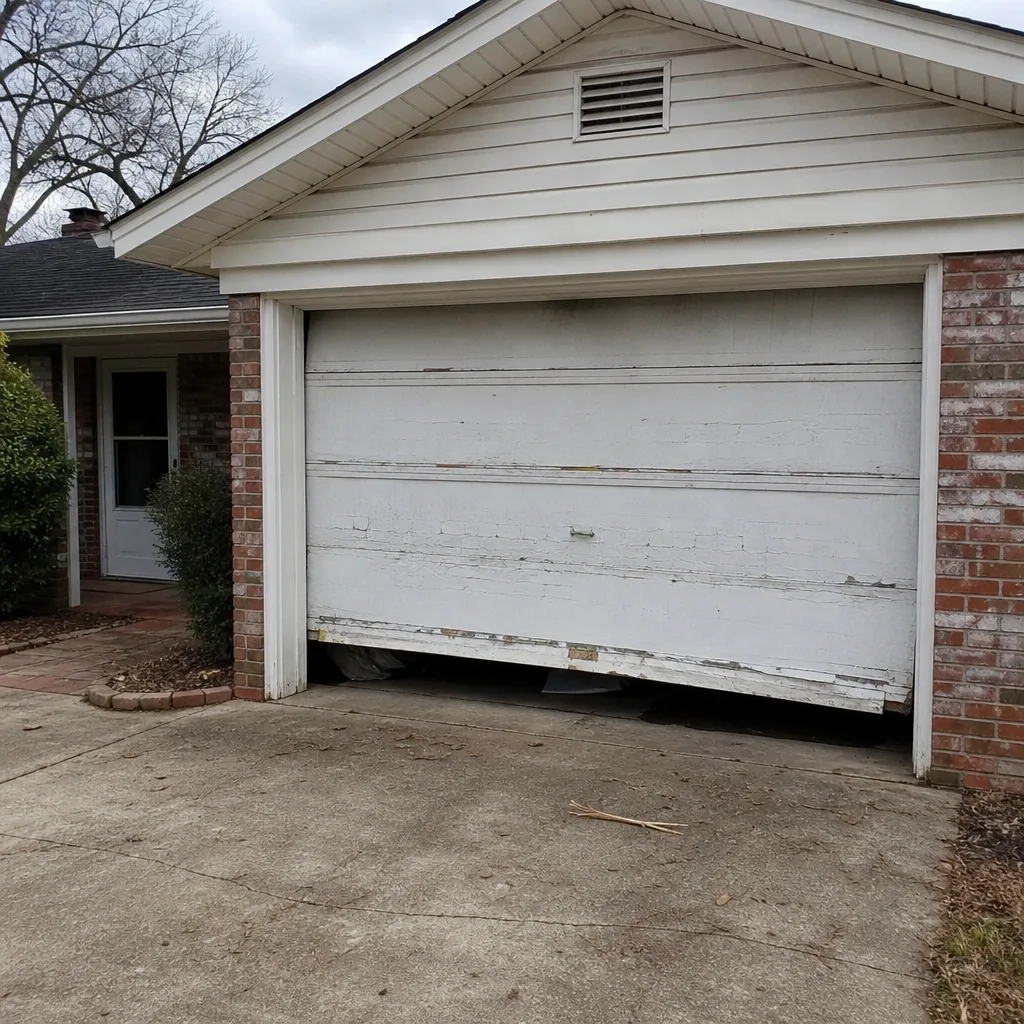 Before
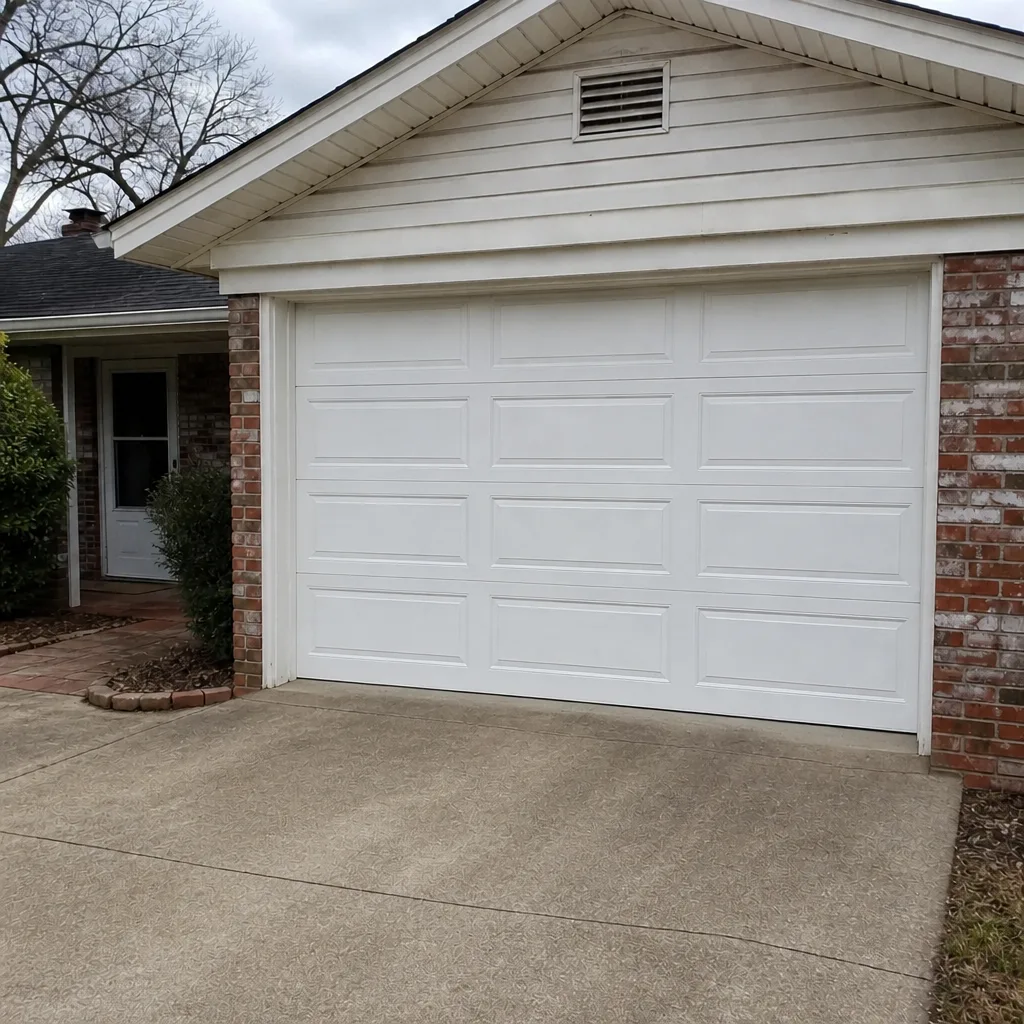 After
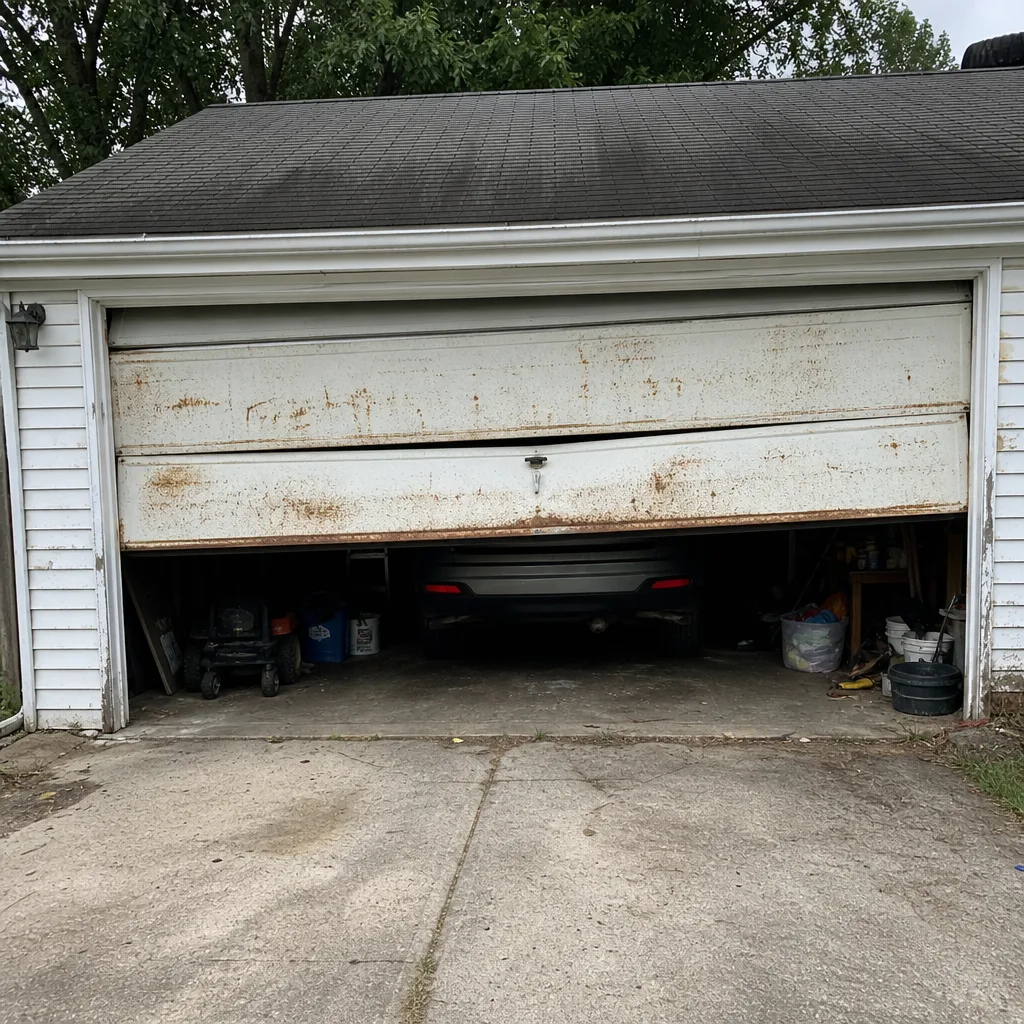 Before
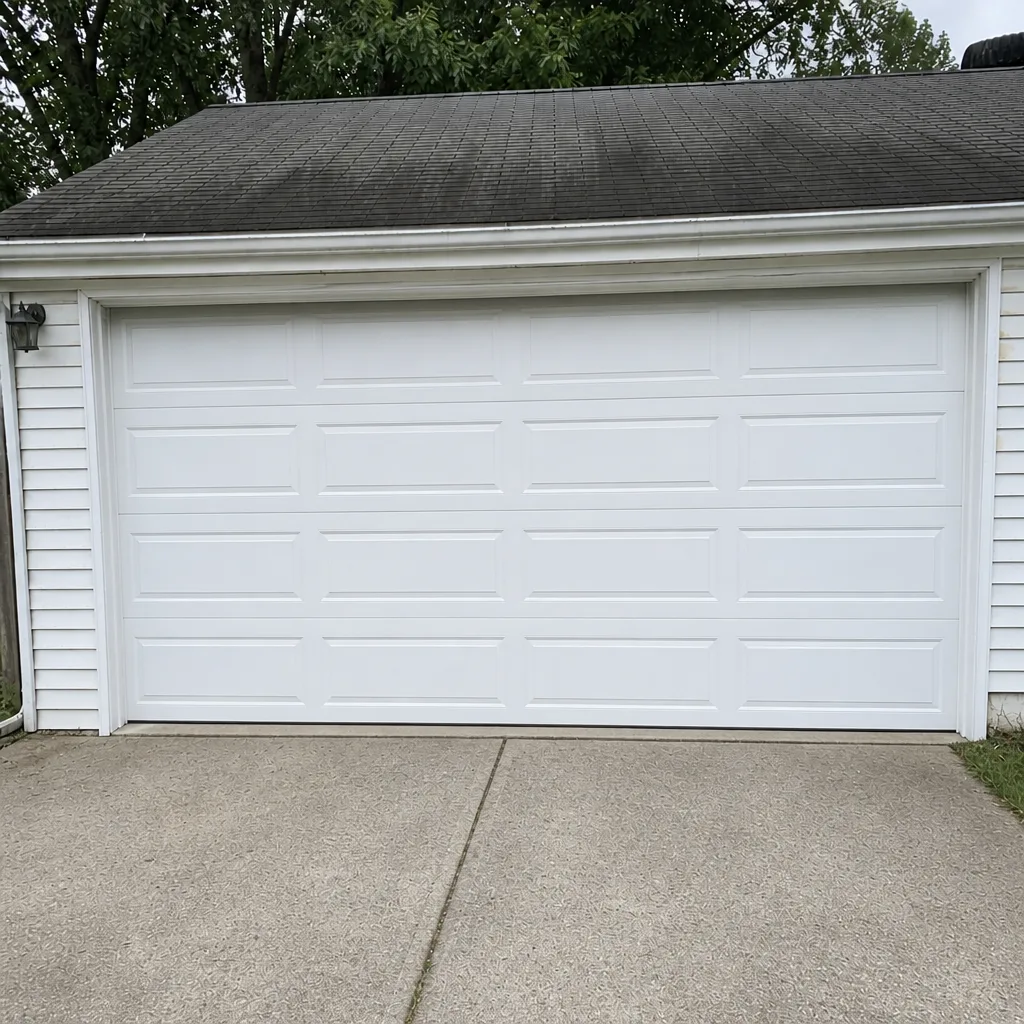 After
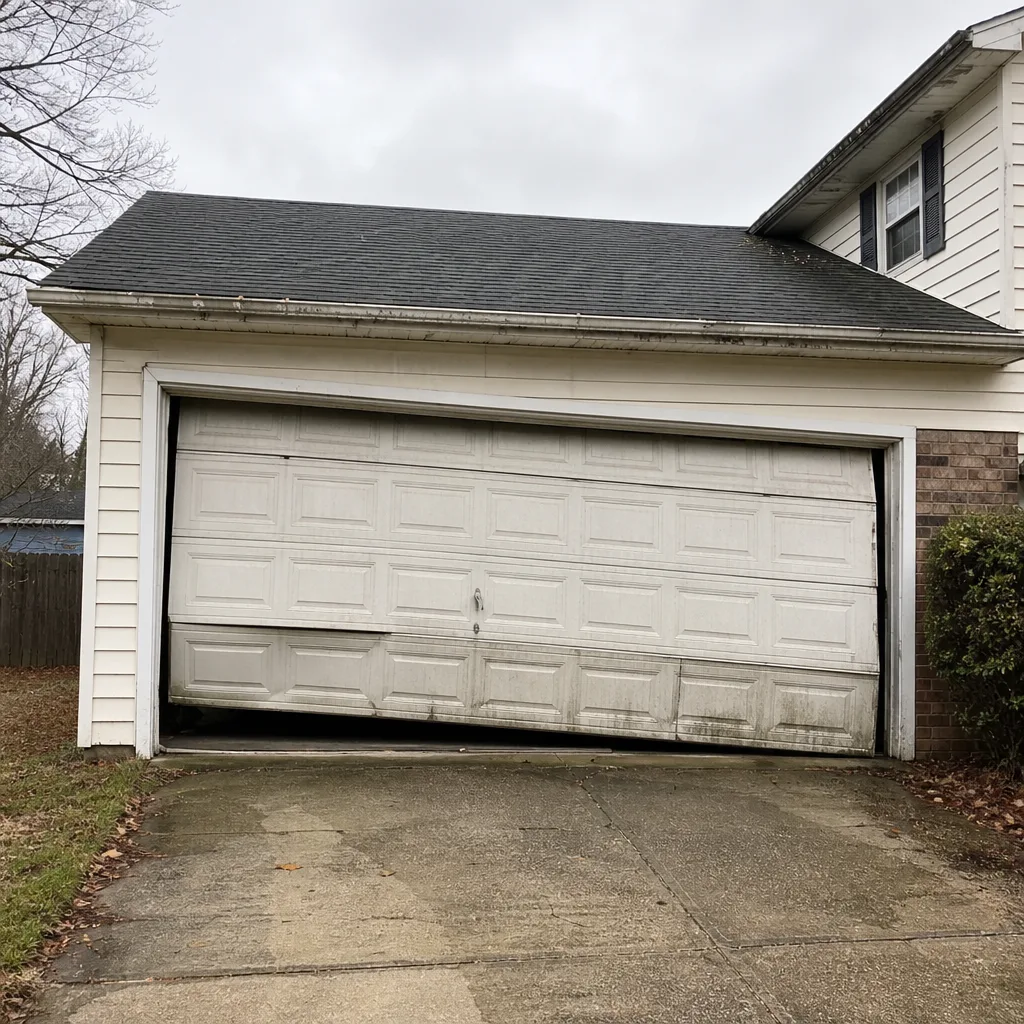 Before
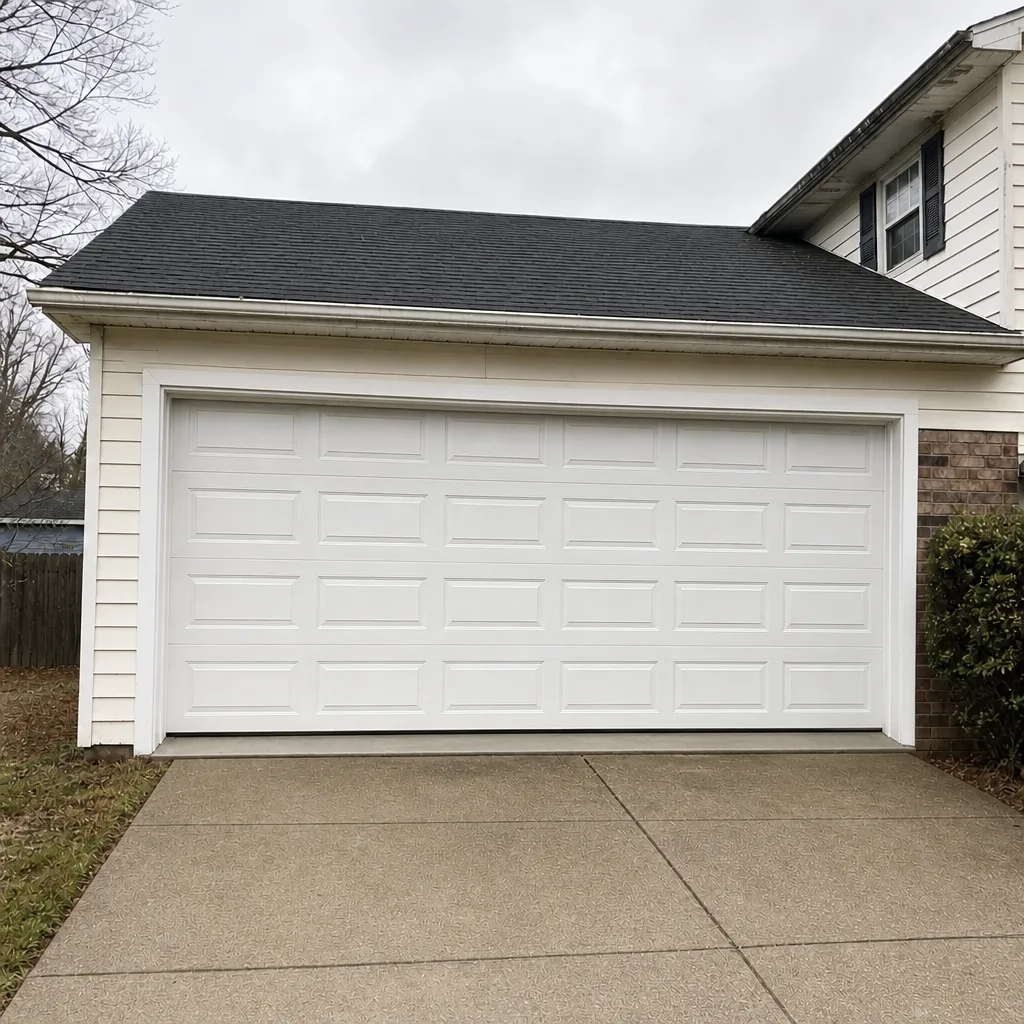 After
When to Call a Professional
You’ve read this far. If your door is still on your “maybe” list, here’s our honest threshold. Call a professional the moment the problem involves a spring, a cable, an off-track panel, a door that won’t stay up by itself, or any situation where the door’s full weight is doing something it shouldn’t. Those are the failures where a wrong move hurts someone, and where the repair cost of a technician visit is far smaller than the alternative. Also call if you’ve tried the safe fixes and the problem returned, or if the door is cycling erratically in a way that suggests the opener is on its way out. Our technicians have up to 10 years of experience, and we work on LiftMaster, Chamberlain, Genie, Clopay, Amarr, Wayne Dalton, Craftsman, and Raynor systems – so we’re not going to tell you we can’t work on your brand. Garage Door Repair Newport News Pros offers free estimates in Newport News – call (877) 792-6582. We answer 24/7. Fast dispatch from 7am to 7pm, Sunday through Friday.
Frequently Asked Questions
A single torsion spring repair in Newport News typically runs in the range of a few hundred dollars, and a matched pair on a double-spring door costs roughly twice that. Cables, drums, and rollers are quoted separately because they’re separate parts. Your written estimate sets the final price before we start. Call (877) 792-6582 for an exact quote – estimates are free.
Yes, in most cases. Spring failures, off-track doors, and openers that won’t respond get priority because the door isn’t secure without them. Call (877) 792-6582 and we’ll book you into the next available dispatch window. We answer 24/7. Fast dispatch from 7am to 7pm, Sunday through Friday.
Pull the emergency release cord and try lifting the door by hand. If it moves freely and stays where you put it, the hardware is fine and the problem is inside the opener. If it’s heavy, binds, or won’t hold itself up, the hardware needs service regardless of what the opener does. That test answers the question in ten seconds, and it saves you from paying for the wrong repair.
The safety-reverse photo-eye is almost always the cause. Something is breaking the beam – a misaligned lens, a wiped-off sensor, a loose wire at ground level, or a stray object in the door’s path. Wipe both lenses, check that anything in the path is clear, and test the door. If it still reverses, the sensor or the reverse sensitivity needs adjustment. Call (877) 792-6582 if the test still fails – estimates are free.
Yes. We work on LiftMaster, Chamberlain, Genie, Craftsman, and the connected-home features many modern openers come with, including myQ and Aladdin Connect setups. If your opener isn’t responding to a smart-home app after a re-pairing attempt, that’s a technician visit. Call (877) 792-6582 and we’ll book the diagnostic.
No. A torsion spring holds the entire weight of the door as stored tension, and a slip at the wrong moment can cause serious injury. There is no safe home fix for a broken spring. Leave the door in its current position, stop using it, and call a technician. Call (877) 792-6582 – we handle spring repair as a core service, not a referral.
The Bottom Line
Read the symptom, trace it to the category, and you’ll know in under a minute whether it’s a screwdriver job or a phone call. Springs, cables, off-track doors, and anything where the door’s weight is uncontrolled belong in a technician’s hands. Sensors, remotes, and light track adjustments are the safe homeowner zone. In Newport News, the humidity shortens the life of cables and springs faster than many guides account for, so a door that’s showing corrosion or frays deserves a look before it fails. If you’re on the fence, call. The estimate is free, and the visit is faster than guessing.
Contact us at (877) 792-6582. We answer 24/7. Fast dispatch from 7am to 7pm, Sunday through Friday. Our technicians have up to 10 years of experience, and we’ll quote your repair in writing before any work starts.
Written by the team at Garage Door Repair Newport News Pros.