
Last updated November 22, 2026
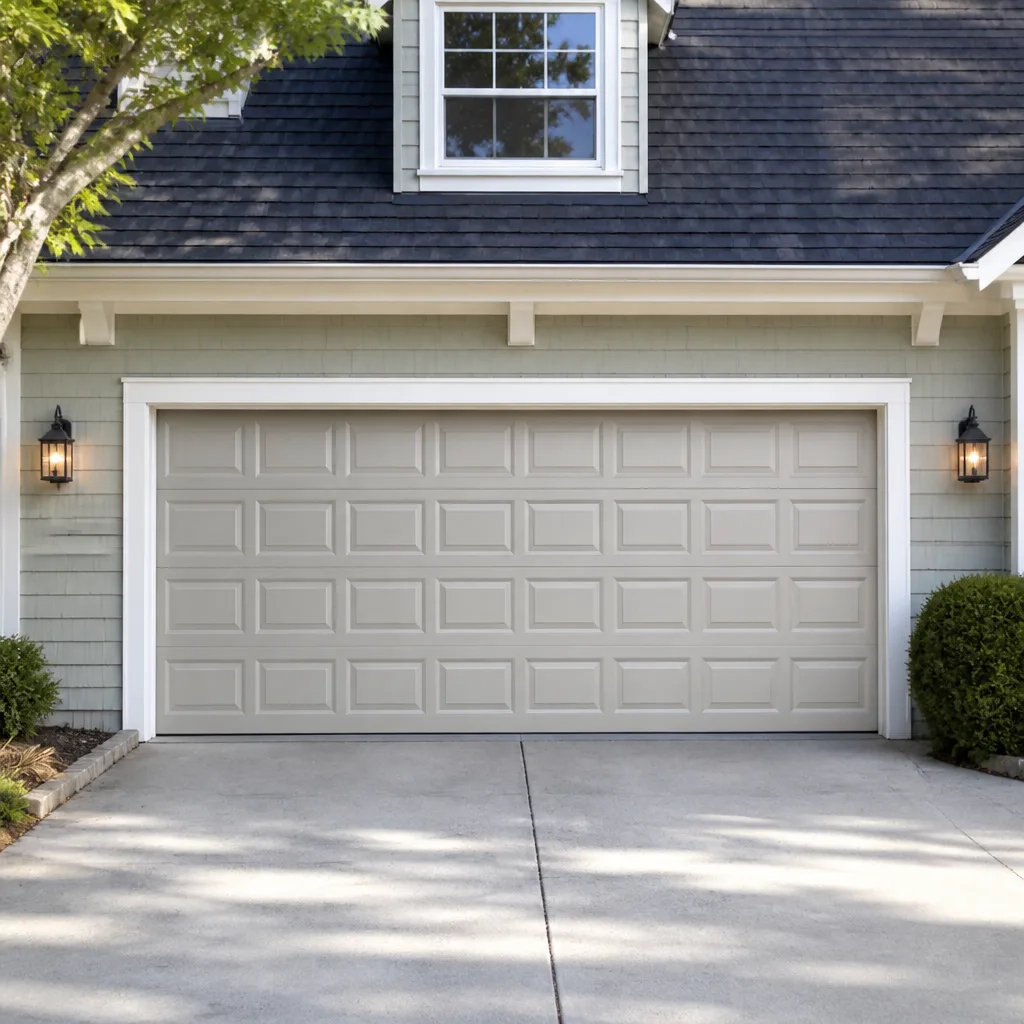 Raised-panel steel
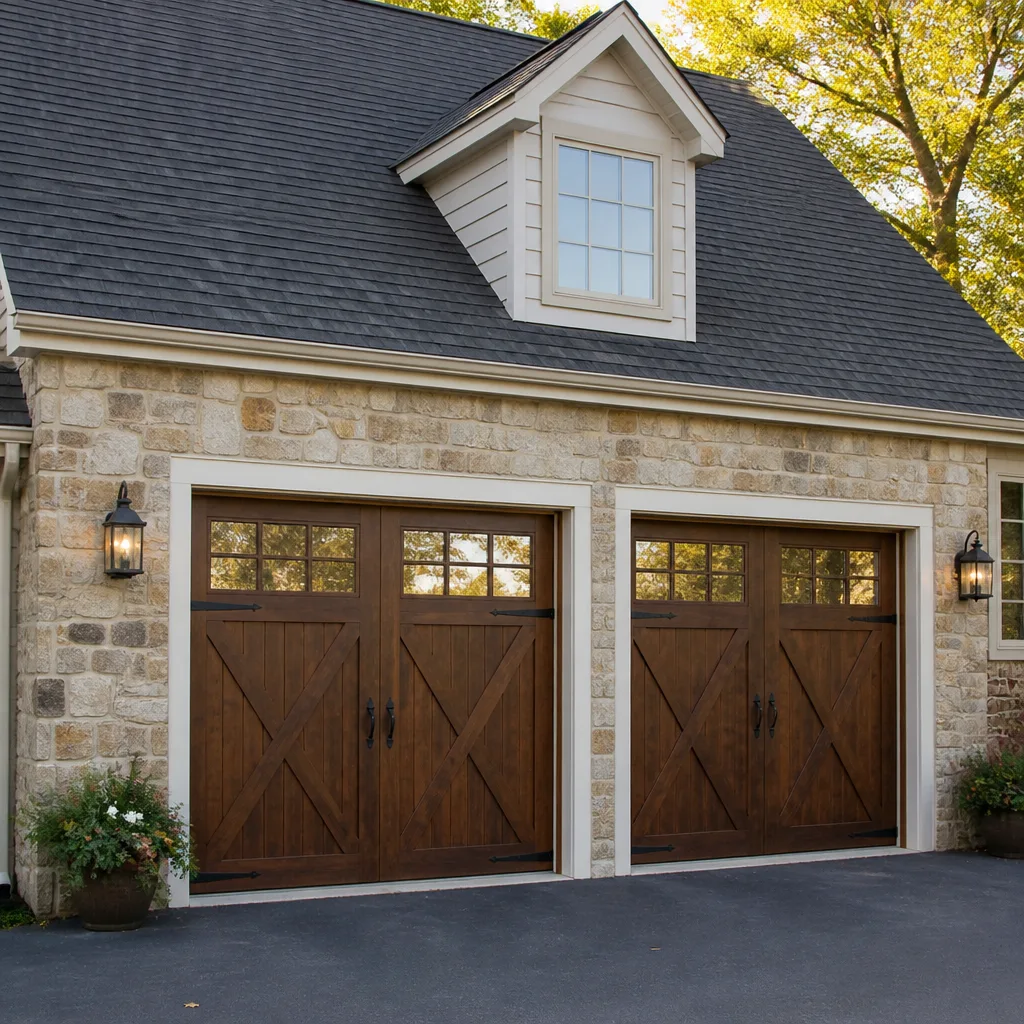 Carriage house
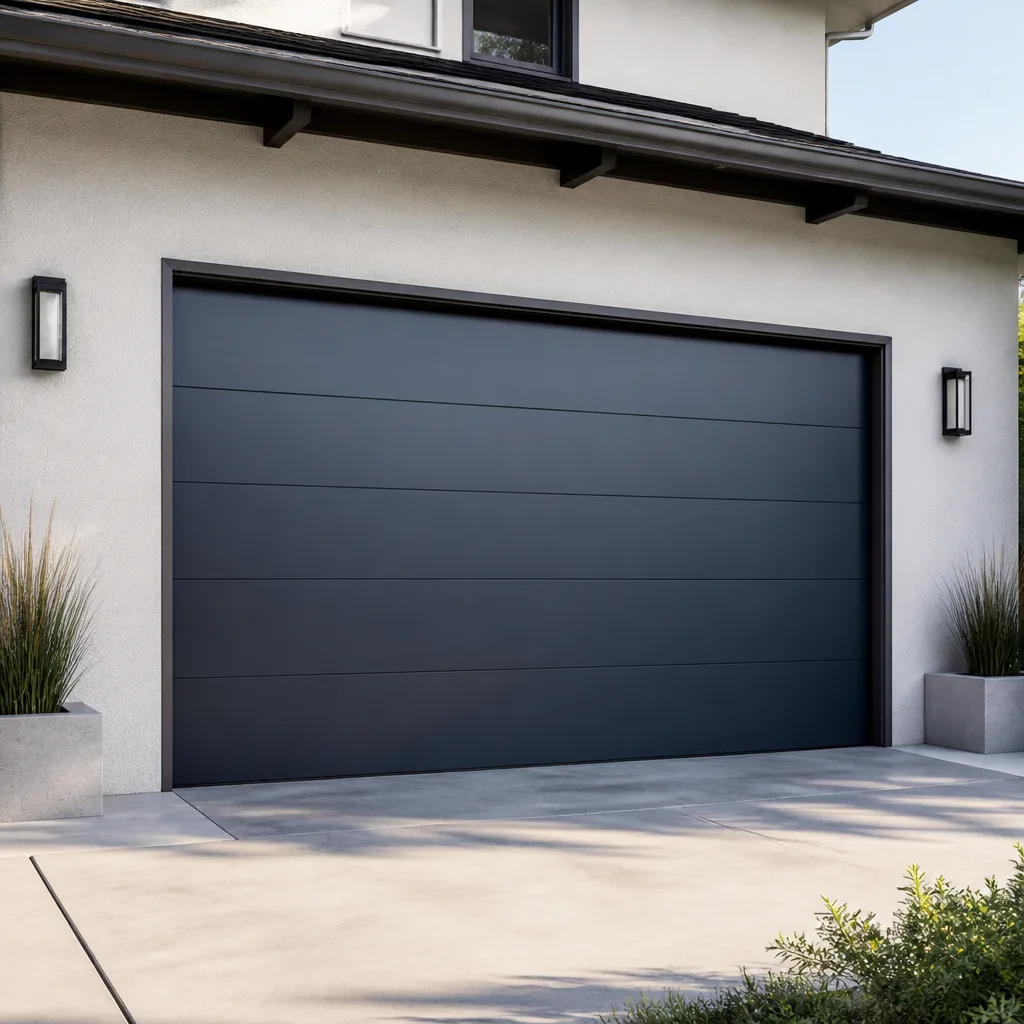 Modern flush
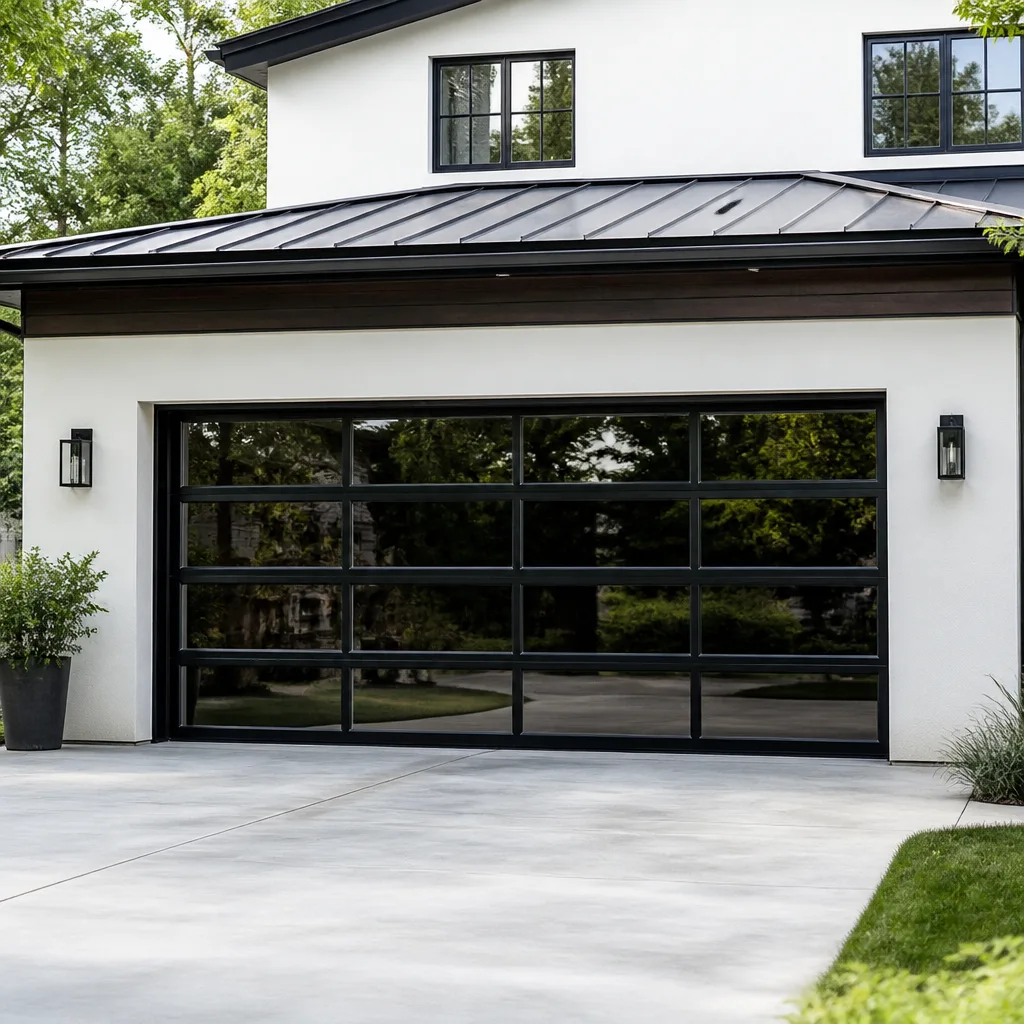 Full-view glass
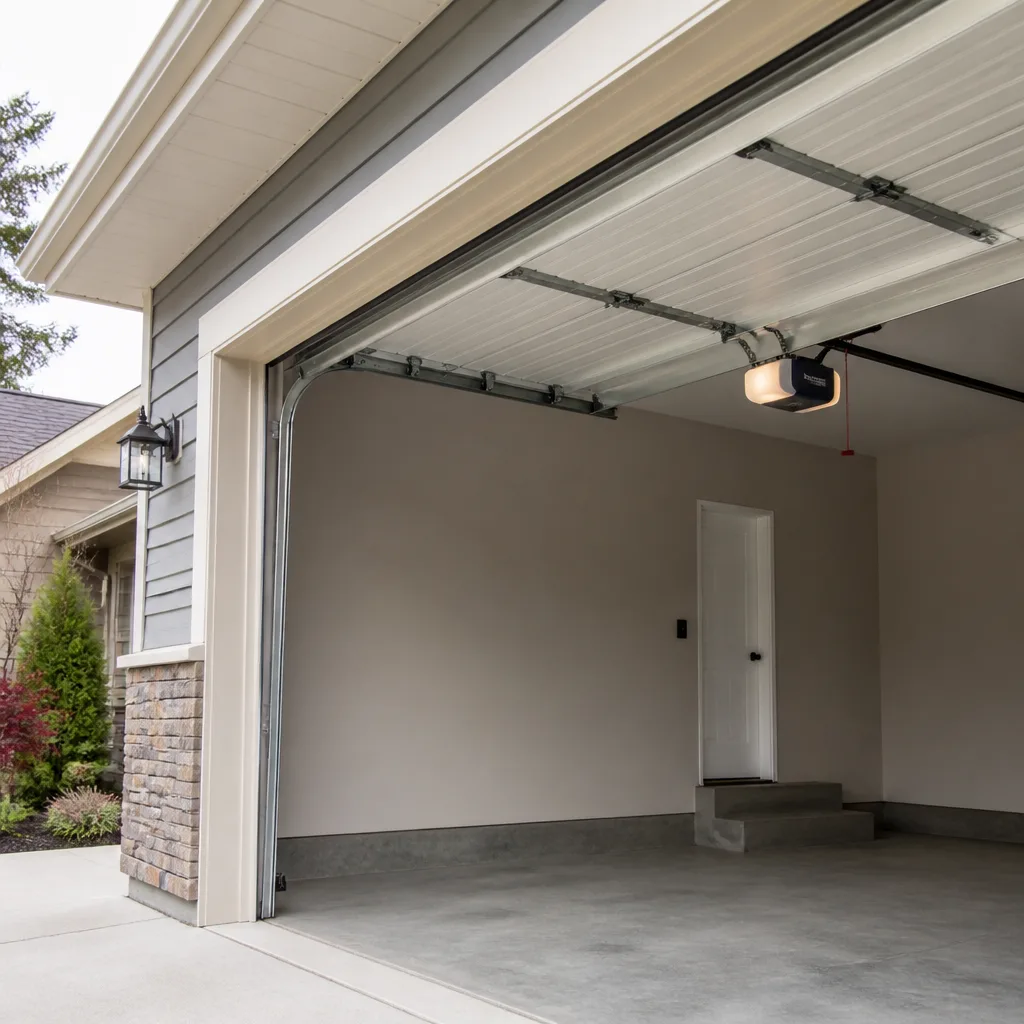 LiftMaster openers
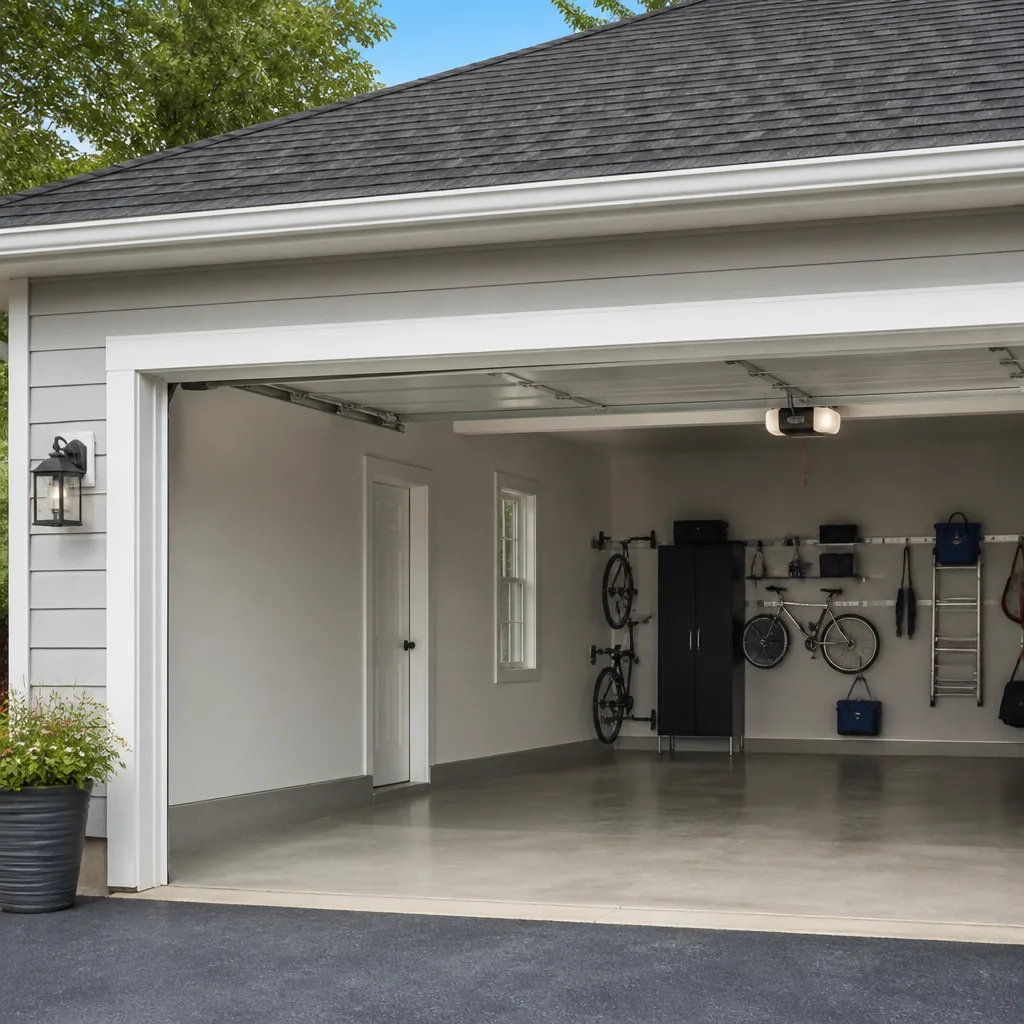 Chamberlain openers
Full 25-point door and opener safety check with every visit - springs, cables, rollers, tracks, and your LiftMaster or Chamberlain opener included
You get a price before we start. It does not change when the pro arrives.
Get your free estimateGarage Door Repair Maintenance Checklist for Newport News Homeowners
Torsion spring adjustment shows up on nearly every homeowner maintenance checklist online. It’s also a job that accounts for a disproportionate share of garage door injuries, because the springs hold the full weight of the door under extreme tension. Here’s the part most lists skip: knowing which tasks you can safely do yourself and which ones should never leave a technician’s hands. This guide splits the checklist into two clear columns. You’ll learn what to inspect and lubricate in Newport News heat and humidity, how to run a balance test the right way, and when a call to a pro is the only sensible move.
Styles & brands we work with
- Raised-panel steel
- Carriage house
- Modern flush
- Full-view glass
- LiftMaster openers
- Chamberlain openers
Quick Answer
A garage door maintenance checklist separates into two categories: tasks homeowners can safely handle (visual inspection, lubrication, balance testing, weather seal checks) and tasks that require a trained technician (spring tension, cable alignment, opener limit adjustments, track realignment). In Newport News, humidity and seasonal storms make lubrication, rust inspection, and weather seal checks the highest-priority DIY tasks.
Table of Contents
- The Two-Column Checklist: Safe vs. Off-Limits
- DIY-Safe Tasks You Can Do Yourself
- Choosing the Right Lubricant for Newport News Humidity
- How to Run the Balance Test (and What It Means)
- Inspection Points Unique to Coastal Virginia
- How Often Should You Do This?
- Tasks That Require a Technician
- When to Call a Professional
- Frequently Asked Questions
The Two-Column Checklist: Safe vs. Off-Limits
Here’s the reality most checklists gloss over. A garage door is a balanced system under tension, and the wrong adjustment can turn it into a falling object. Understanding which side of the line each task sits on is the whole point of a good maintenance routine.
Safe for homeowners:
- Visually inspecting springs, cables, rollers, and hinges
- Lubricating rollers, hinges, tracks, and torsion spring coils
- Running a balance test with the door
- Wiping down tracks and cleaning debris
- Checking and replacing weather seals
- Tightening exposed bolts (finger-tight only)
- Testing the safety reverse feature
For a technician only:
- Adjusting or replacing torsion springs
- Replacing or realigning cables
- Adjusting opener travel limits and force settings if they drift
- Replacing drums or bearing plates
- Straightening a bent track section
- Repairing or replacing bottom brackets
- Anything requiring the door to be under tension during the work
If you’re not sure which column a task belongs to, treat it as a technician task. A checklist that pushes homeowners into the second column without warning is doing them a disservice, and we’ve seen the aftermath of DIY spring work enough times to know it’s not a hypothetical risk.
DIY-Safe Tasks You Can Do Yourself
The tasks in this section require no special tools beyond what most homeowners have in a garage or tool closet. They’re about inspection and small maintenance, not mechanical adjustment.
- Walk the door both directions. Open and close it fully. Listen for grinding, popping, or uneven movement. Watch whether the door slides smoothly or jerks.
- Inspect from the ground. With the door closed, look at the springs, cables, rollers, hinges, and brackets. Note rust, fraying, or visible gaps in the cable strands.
- Check the tracks by hand. Run your fingers lightly along the inside edge of the track. You’re feeling for dents, debris, or rough patches. Never put your fingers near the spring or cable.
- Tighten loose bolts. Hinges and brackets often work loose over time. Hand-tighten with a wrench; don’t overtighten. If a bolt is stripped, leave it for a technician.
- Test the safety reverse. Place a 2×4 flat under the door and close it. The door should reverse on contact. If it doesn’t, the opener needs adjustment.
- Check the photo-eye sensors. Wave a hand or a box through the beams at the base of the door. If the door doesn’t reverse, the sensors need cleaning or realignment.
- Clean the tracks. A damp rag with a mild degreaser works well. Avoid soapy water that leaves residue.
What’s not on this list: lubricating without the right product, modifying anything under tension, or using WD-40 on the springs. More on that in the next section.
Choosing the Right Lubricant for Newport News Humidity
Newport News summers bring sustained heat and heavy humidity, and that combination changes what lubricant actually works. Thin oils and household sprays dry out fast in high temperatures, then attract grit and pollen, which turns the track into a grinding paste. The right products are heavier, tackier, and water-resistant.
What to use:
- White lithium grease for tracks, hinges, and roller stems. It stays put in heat and won’t run.
- Garage door specific spray lubricant for rollers and hinges, ideally with PTFE or silicone.
- Silicone spray for weather seals and rubber components.
What not to use:
- WD-40 or thin multipurpose oil on the tracks or springs. It thins out, evaporates, and then collects dust.
- Motor oil or cooking oil on rollers. It drips, stains the floor, and attracts grit.
- Graphite powder on roller bearings. It gums up in humidity instead of staying dry.
Apply lubricant in small amounts. Rollers take a light spray at each hinge and roller stem. Tracks get a very thin film, not a heavy coat; excess product pools at the bottom and collects debris. Springs should be lubricated once or twice a year with a garage door spray, but never adjusted. If your door has torsion springs (the horizontal coil above the door), leave any tension work to a technician. Extension springs (the ones running parallel to the track) also require trained handling.
For doors that feel sluggish after lubrication, the issue is often a worn roller rather than inadequate product. Roller and hinge replacement is a solid middle-ground repair that our garage door repair team handles regularly in Newport News without touching the spring system.
How to Run the Balance Test (and What It Means)
The balance test tells you whether the springs are still carrying their share of the door’s weight. If they aren’t, the opener is doing all the lifting. That shortens its life and creates a safety problem if the door ever drops.
- Close the door fully. Make sure nothing and no one is underneath.
- Pull the manual release cord. This disconnects the door from the opener. You’ll hear a click.
- Lift the door by hand to about waist height. Use the handle or the bottom edge, never the spring area.
- Let go. The door should stay in place, roughly level.
- Repeat at knee height and shoulder height. It should hold at all three positions.
- Push the door down gently. It should close with light resistance and stay closed.
- Reconnect the opener. Pull the door down partway and press the opener button once to re-engage the trolley.
What an off-balance result means: If the door slides down on its own, the springs have lost tension (usually from wear or breakage) and need professional assessment. If it rises on its own, the springs are over-tensioned, which is equally unsafe. Neither is a DIY fix. Don’t try to compensate by adjusting the opener force setting; that masks the problem and strains the opener motor.
Balance issues are the most common reason our team gets called out for garage door opener repair when the real issue is the spring system. A quick diagnostic visit saves you from paying for an opener replacement you don’t need.
Inspection Points Unique to Coastal Virginia
Garage doors in Newport News deal with real seasonal swings: hot, humid summers, storm-heavy springs and falls, and cool, wet winters. Those cycles leave their mark in specific places. Here’s what to watch for.
Rust formation on bottom brackets and hinges. Humidity plus the occasional puddle seeping under the door’s edge accelerates rust. Look at the bottom brackets specifically, where moisture pools after rain. Surface rust is cosmetic; deep pitting on hinges or bracket bolts is structural and needs attention.
Weather seal deterioration from UV exposure. The bottom rubber seal takes direct sun for hours during the summer. It cracks, curls, and loses its seal within a few seasons. A failing seal lets in water, bugs, and drafts, and it’s one of the cheapest fixes on any checklist. Replace it when the seal feels hard or shows visible cracks.
Swelling wood panels after heavy rain. If you have a wood or wood-composite door (Clopay and Amarr both sell panel systems that can include wood or composite options), the bottom panels absorb moisture around the edges and can swell, warp, or stick in the tracks. Inspect the bottom edge after extended rain. Minor swelling can be addressed with sealing; significant warping calls for panel replacement.
Track alignment after storm winds. Newport News gets strong seasonal storms, and wind can push a door slightly off the track. If the door feels tight on one side or hesitates at a height range, check the track inside edge for a bend. Small bends in the vertical track are a technician job; don’t try to bend it back by hand.
Stress cracks in the ceiling above the opener. This one catches a lot of homeowners off guard. A vibrating opener on worn isolators can loosen ceiling fasteners and show up as cracks in the drywall around the mounting point. Check for hairline cracks each season and address any loose mounting bolts.
How Often Should You Do This?
A once-a-year blanket schedule misses the point. Frequency should track usage and door age. A single-car door used twice a day needs less attention than a two-car door cycling a dozen times daily.
Light use (1-2 cycles per day):
- Visual walk-through and balance test: every 3 months
- Full lubrication: once a year
- Weather seal inspection: spring and fall
Heavy use (4+ cycles per day):
- Visual walk-through and balance test: monthly
- Full lubrication: every 6 months
- Weather seal inspection: quarterly
Doors 10 years or older: Add a documented full inspection every year, even if nothing feels wrong. Springs, rollers, and cables have finite lifespans, and older components often fail without warning. A technician can measure spring life and check cable integrity in ways a visual check can’t.
Doors under 5 years old: Keep the same routine as the use category, but you can usually skip the deep inspection unless you notice a symptom.
Whatever schedule you land on, tie it to something you already track. The start of each season, the first cool morning of fall, or the week you change your HVAC filter all work as anchors. If you’d rather leave the technician tasks to a pro, our Garage Door Repair Newport News Pros team handles scheduled inspections across every brand we service.
Tasks That Require a Technician
This section isn’t about upselling. It’s about the tasks where the risk to an untrained homeowner is real and documented. If you remember one thing from this checklist, remember this list.
Spring tension adjustment and replacement. Torsion springs hold hundreds of pounds of force. A spring that releases under load can cause serious injury. Extension springs have their own injury risk when they snap. Only a trained technician should touch these, period. We work on torsion and extension springs as a core service because they’re the highest-risk component in the whole system.
Cable replacement. Cables run under tension alongside the springs. Frayed cables can snap, and a loose cable can whip. Don’t cut, tighten, or re-route a cable yourself.
Opener limit and force adjustments. Adjusting travel limits seems simple, but the settings interact with the safety reverse system. A wrong limit can cause a door to crush an obstacle or fail to close fully. If your door is reversing on its own or not closing fully, that’s a technician call.
Track straightening. Minor bends can be straightened on site. The lever work involved can damage a track further if the wrong force is applied, and a bent track can pull the door off its hinges.
Bottom bracket replacement. Bottom brackets hold the cable under tension and are a known injury point on older doors. Rusted brackets need replacing, not tightening.
If you have a Clopay, Amarr, Wayne Dalton, or Craftsman door, call a specialist who knows the specific model’s hardware, spring wire gauge, and drum configuration. A general handyman who doesn’t work on garage doors daily is a worse bet than leaving the job for a proper technician. Our team services all four of these brands plus LiftMaster, Chamberlain, Genie, and Raynor, so you don’t need to hunt down a brand-specific contractor.
Common Mistakes to Avoid
- Lubricating the tracks with WD-40. It works for a week, then attracts grit and makes the door slower. Use white lithium grease or a garage-door-specific spray instead.
- Ignoring a slow-reversing door. The safety reverse is the single most important safety feature. If it hesitates or fails, the door needs service before someone walks under it.
- Trying to adjust the springs because “it’s just a turn.” Spring adjustment is not a maintenance task. It’s a repair that requires professional tools and training, and the injury risk from doing it wrong is genuine. Leave it.
- Skipping the bottom seal in Newport News humidity. The seal is what keeps moisture out of the door and off the garage floor. A cracked or missing seal accelerates rust on the bottom brackets and swells wood panels. Replace it as soon as it looks worn.
- Overtightening bolts. A stripped bolt on a hinge or bracket can’t be tightened again, and the resulting wobble accelerates wear. Hand-tight is enough.
- Running the opener without a balance test. A door that’s out of balance forces the opener to do the lifting. That’s the most common way to burn out a motor and one reason our garage door opener repair calls often trace back to a spring that went out months earlier.
- Assuming a new door solves maintenance. It doesn’t. Even a fresh installation needs lubrication and seal checks within the first year, especially in a humid climate like Newport News.
- Ignoring hairline cracks near the opener mount. Vibration from a worn opener can loosen hardware over time. Cracks in the drywall around the mount usually signal loose bolts up top.
When to Call a Professional
Some failures announce themselves clearly. Call a technician if you notice any of these: a spring with a visible gap or break, a door that won’t stay balanced at any height, a frayed or loose cable, a door that’s off its track, an opener that reverses without an obstacle, or a door that only moves when you lift it by hand.
The other signal is timing. If the door has started making a new noise, moving unevenly, or feeling heavier than before, book a diagnostic visit rather than waiting for a full failure. A repair done early is usually a smaller job than a repair done mid-breakdown. And if a door fails late at night, ours is a security issue as much as a mechanical one. We answer 24/7. Fast dispatch from 7am to 7pm, Sunday through Friday.
Garage Door Repair Newport News Pros offers free estimates in Newport News. Call (877) 792-6582. From a stuck panel to a full new door, we handle the whole lifecycle, including taking you from inspection through garage door installation if the door is beyond economical repair. Our technicians have up to 10 years of experience.
Frequently Asked Questions
Once a year for light use (one to two cycles per day) and every six months for heavy use (four or more cycles per day). Use white lithium grease on tracks and hinges and a garage-door-specific spray on rollers. In Newport News summers, avoid thin oils that attract grit and gum up the tracks.
No. Torsion and extension springs hold the full weight of the door under extreme tension, and adjusting them without training or the right tools risks serious injury. Call a technician for any spring work. Spring repair is a standard service for us, not a referral.
It means the springs have lost tension or broken. When you lift the door by hand and let go, an off-balance door slides down on its own (under-tensioned) or rises (over-tensioned). Either way, the opener is doing work the springs should be doing, which strains the motor and creates a safety risk. Don’t adjust the opener to compensate; get the spring system checked.
Repair usually wins when the door panels are structurally sound, the tracks are straight, and the frame isn’t warped. Replace the door when the panels have widespread rot, deep rust pitting, or visible cracking that a panel replacement can’t fix. In coastal Virginia, wood doors need extra inspection for moisture swelling at the bottom edge. Book a free estimate to get a clear answer for your specific door.
Yes. Spring wire gauge, drum configuration, and roller type vary by brand and model. Our technicians are equipped to service LiftMaster, Chamberlain, Genie, Clopay, Amarr, Wayne Dalton, Craftsman, and Raynor systems, so you don’t need a brand-specific contractor for any of these.
Maintenance visits typically run as a service visit, not a repair, and the written estimate sets the final price. Spring repairs, opener adjustments, and cable work each price out per job. The estimate is free, and you’ll know the number before any work starts. Call (877) 792-6582. We answer 24/7. Fast dispatch from 7am to 7pm, Sunday through Friday.
The Bottom Line
A garage door maintenance checklist is only useful if it separates the tasks you can safely do yourself from the ones that cause real injuries in untrained hands. In Newport News, that means lubricating your rollers and tracks on a schedule, checking seals and rust points as the seasons turn, and running the balance test to catch spring problems before they become opener failures. Leave spring work, cable work, and limit adjustments to a technician. If you want the entire checklist handled in one visit, including the tasks in column two, call (877) 792-6582 for a free estimate.
Written by the team at Garage Door Repair Newport News Pros.
See the difference
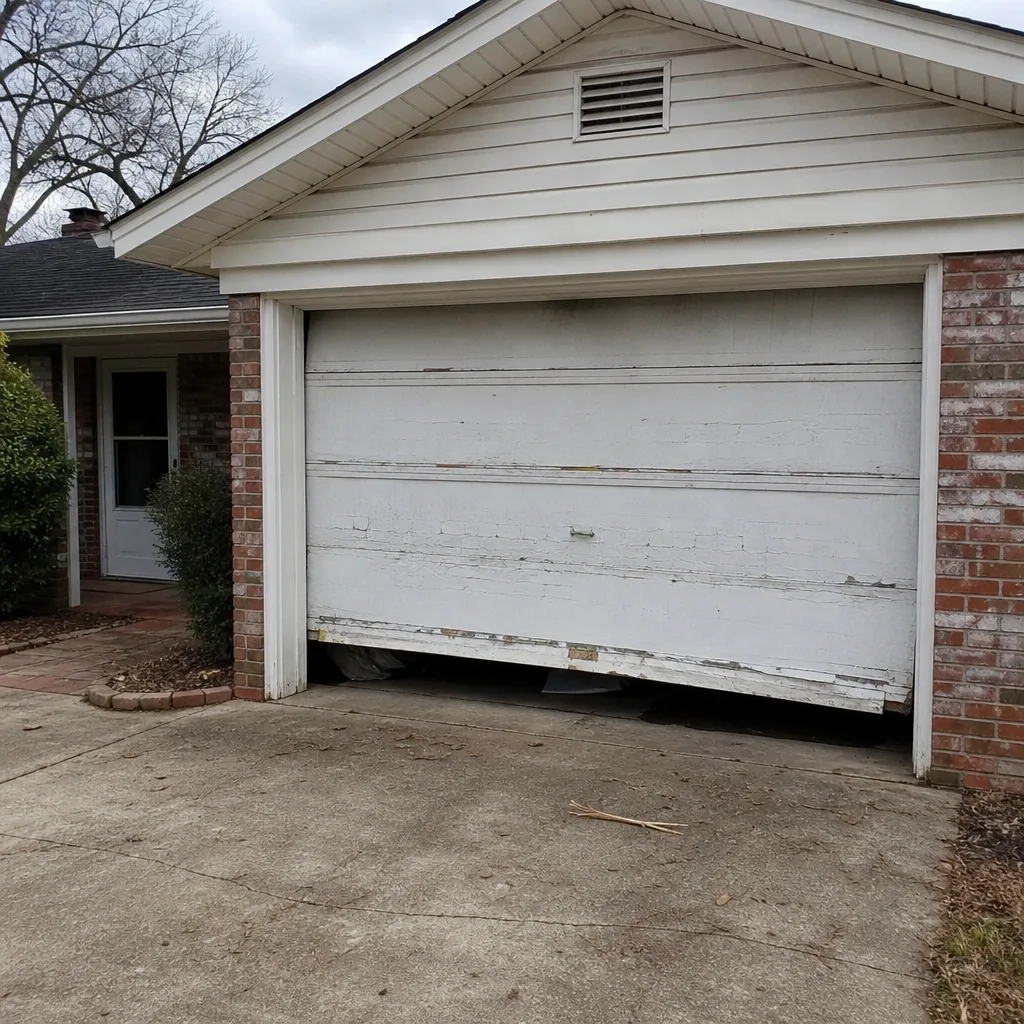 Before
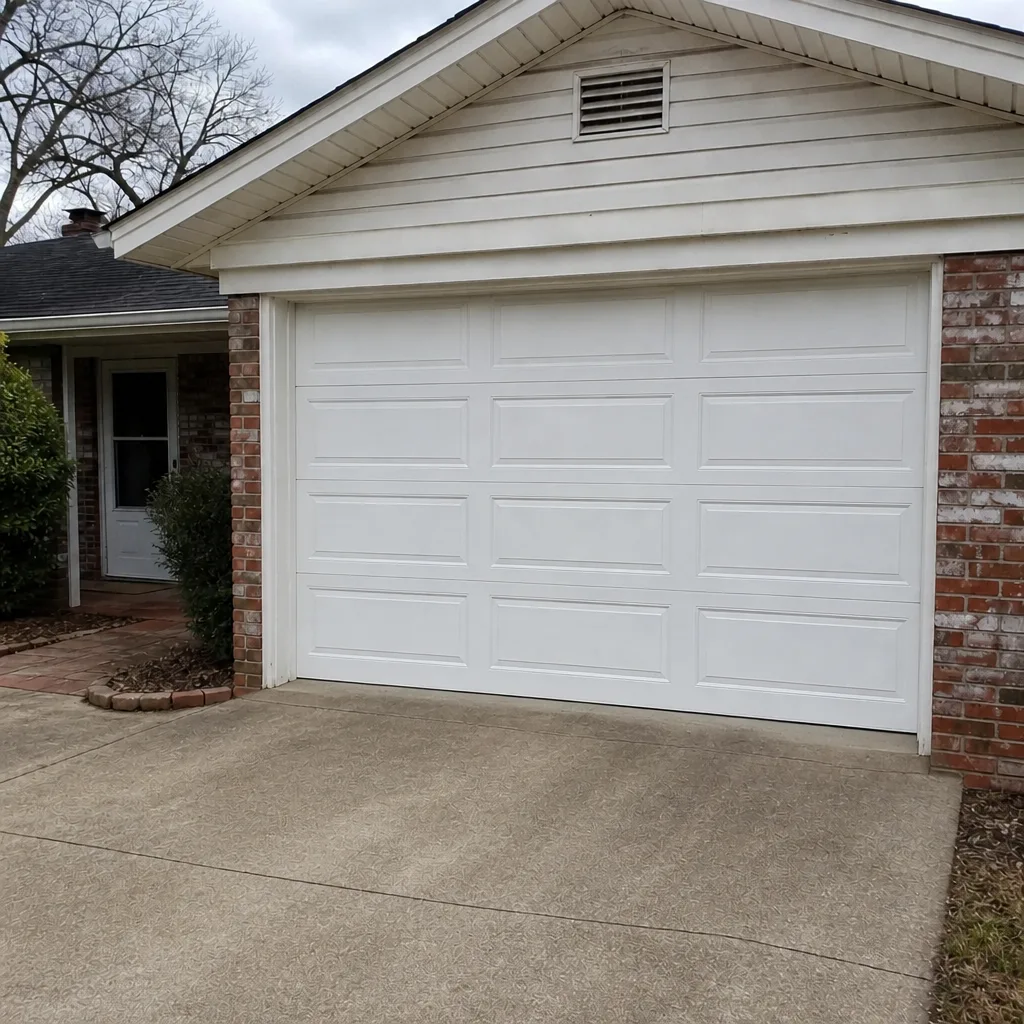 After
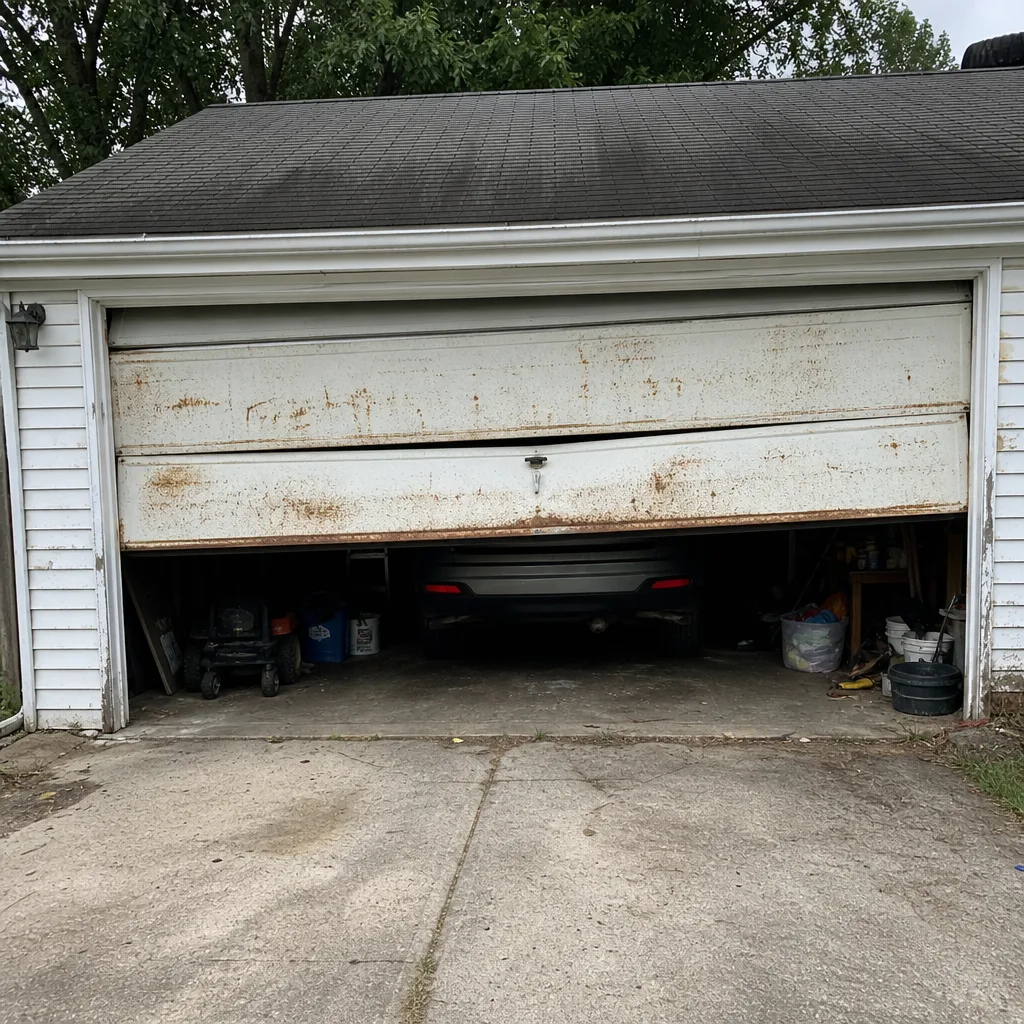 Before
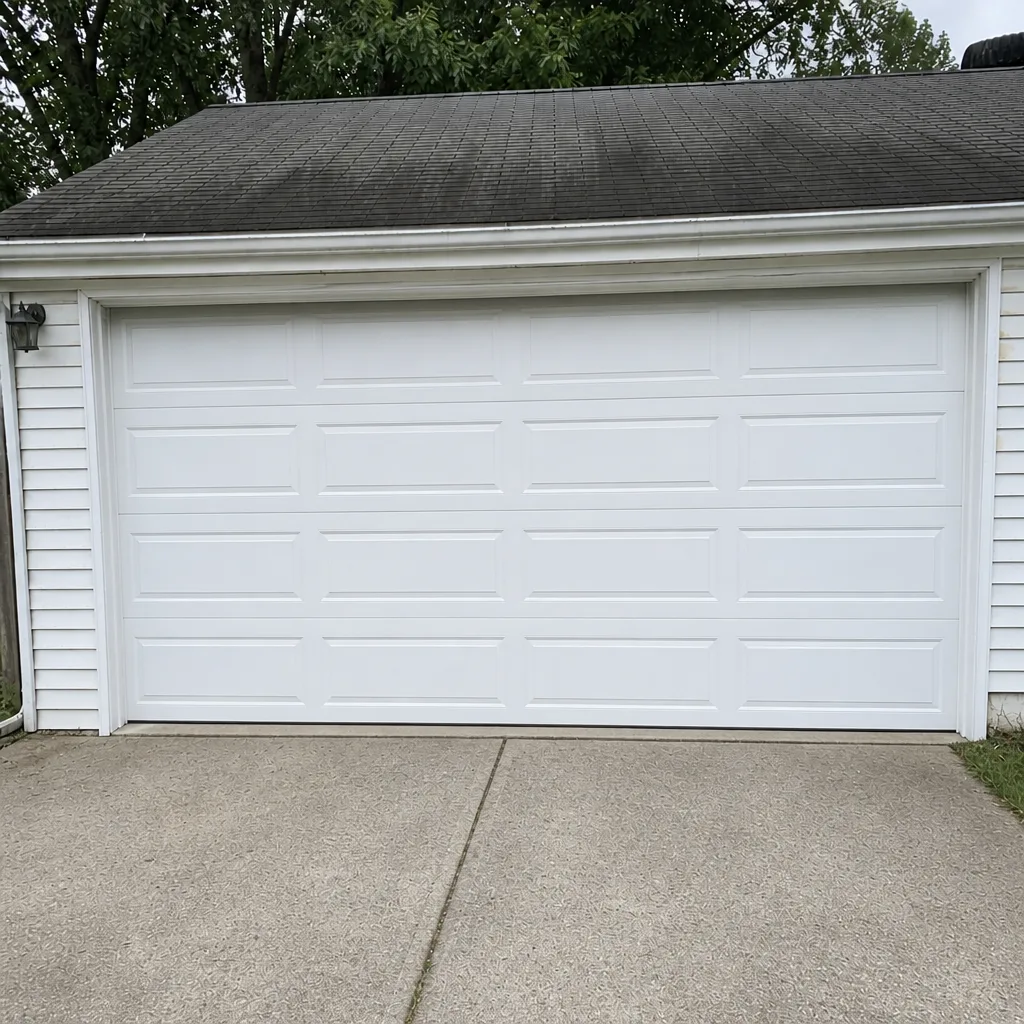 After
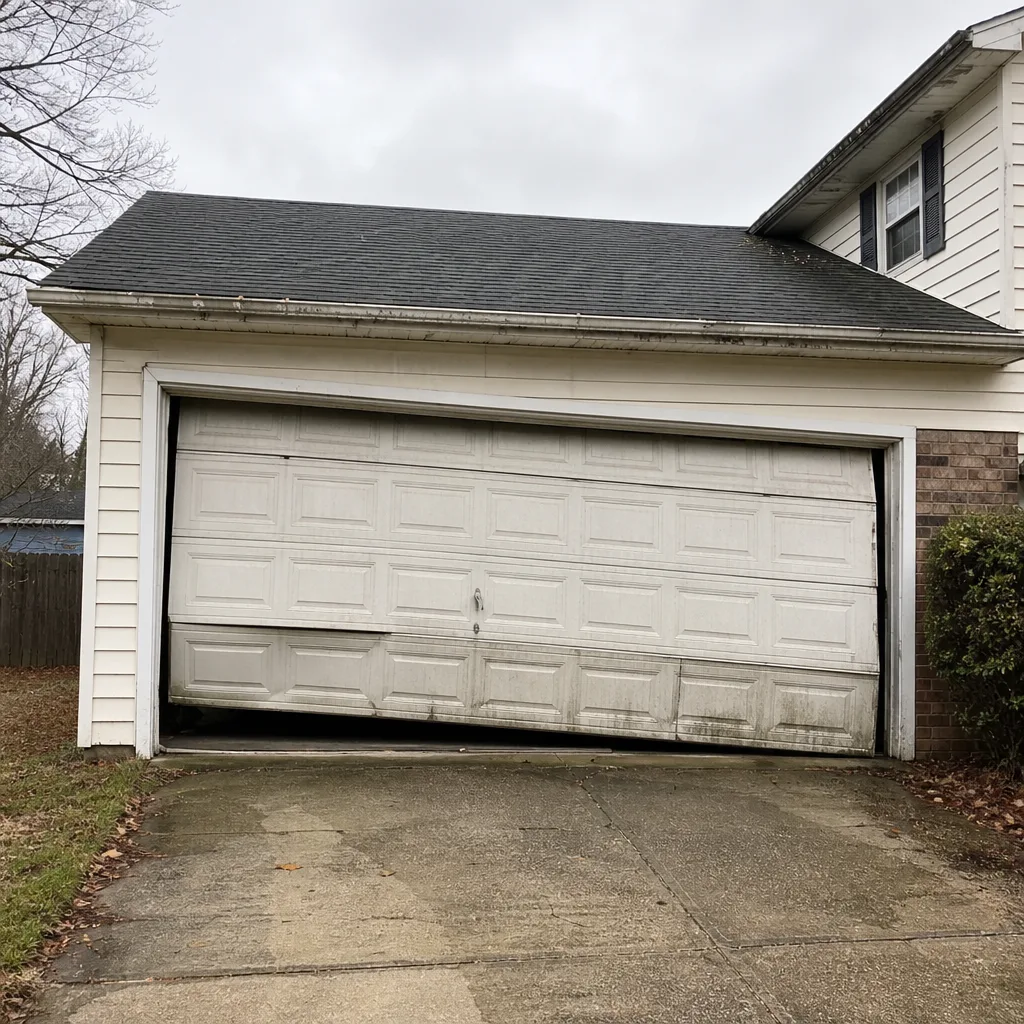 Before
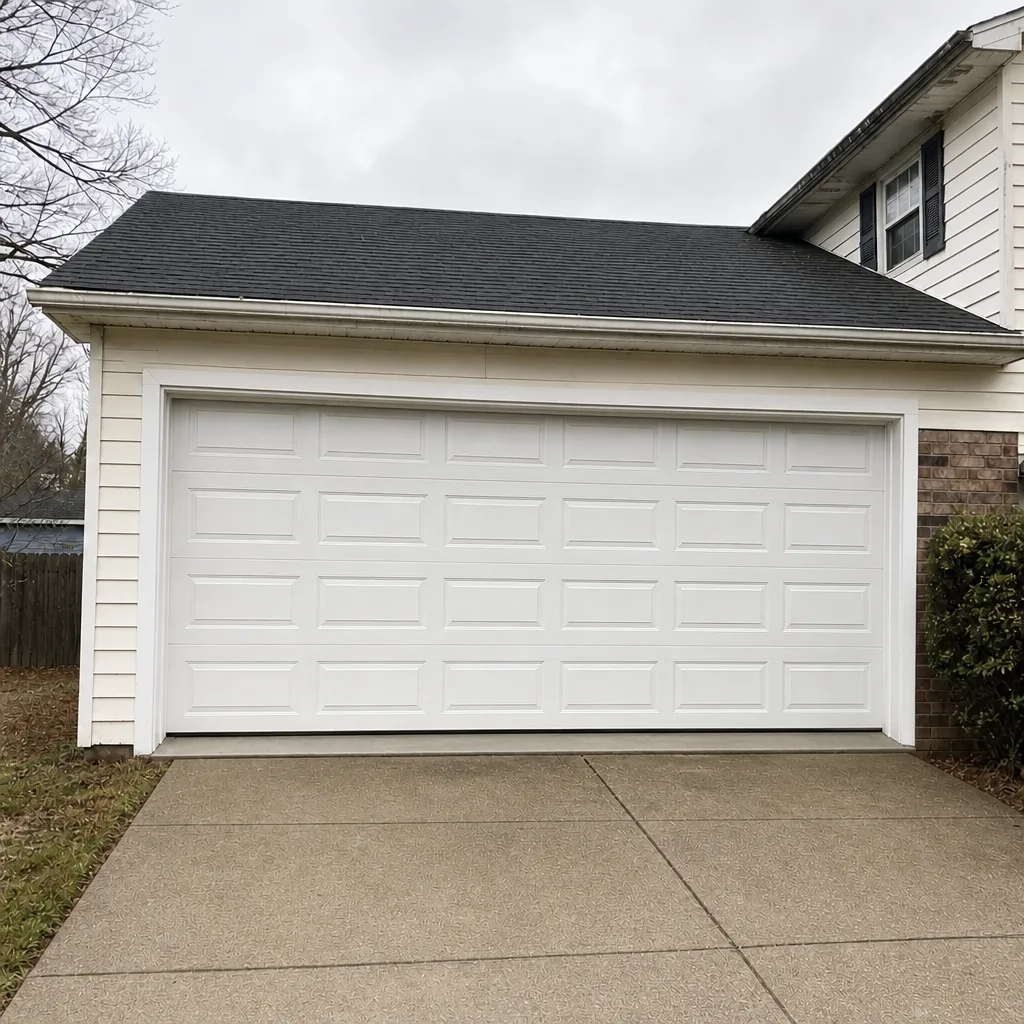 After